
I’m a DevOps engineer who loves to build things that make people’s lives easier. I’m passionate about learning new technologies and sharing my knowledge with others. When I’m not coding, you can find me hiking, reading.”
🛜What is DevOps?
♾️DevOps is about removing the barriers between traditionally siloed teams, development and operations. Under a DevOps model, development and operations teams work together across the entire software application life cycle, from development and test through deployment to operations.
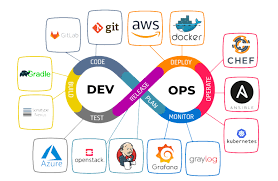
DevOps Lifecycle: The DevOps lifecycle consists of several interconnected stages, each contributing to the seamless delivery of software. While different models may define these stages in varying ways, a common representation includes:
Plan: The planning phase involves defining project goals, prioritizing tasks, and establishing a roadmap for development and deployment.
Code: Developers write and review code collaboratively, ensuring that it meets quality standards and aligns with project requirements.
Build: The code is transformed into executable artifacts through automated build processes, allowing for consistency and reproducibility.
Test: Automated testing is performed to validate code quality, functionality, and compatibility, identifying issues early in the development process.
Deploy: Code changes are deployed to production or staging environments, utilizing automation to minimize deployment risks and ensure consistency.
Operate: Operations teams monitor and manage the deployed applications, addressing issues promptly and ensuring optimal performance.
Monitor: Continuous monitoring provides real-time insights into application performance, user experience, and infrastructure, enabling proactive problem resolution.
🎆DevOps Tools
♾️Periodic Table of DevOps Tools

🚨Key Components: Automation, Scaling, Infrastructure
🤖 Automation: At the heart of DevOps lies automation, which eliminates manual, error-prone tasks and enables teams to focus on innovation. Automated testing, continuous integration, and deployment pipelines empower organizations to achieve faster and more reliable releases.
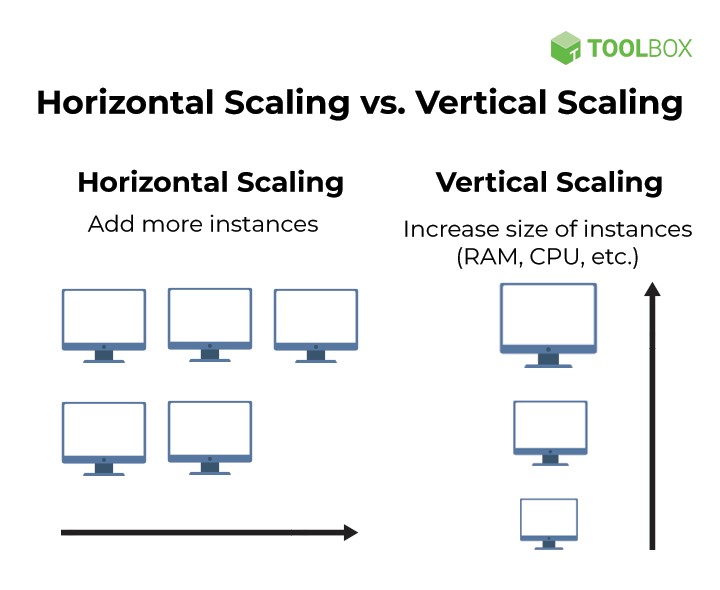
💹Scaling: As applications grow in complexity, the ability to scale becomes crucial. DevOps addresses this by providing the means to scale infrastructure horizontally or vertically based on demand. Scalability ensures that systems can handle increased workloads, providing a seamless user experience.
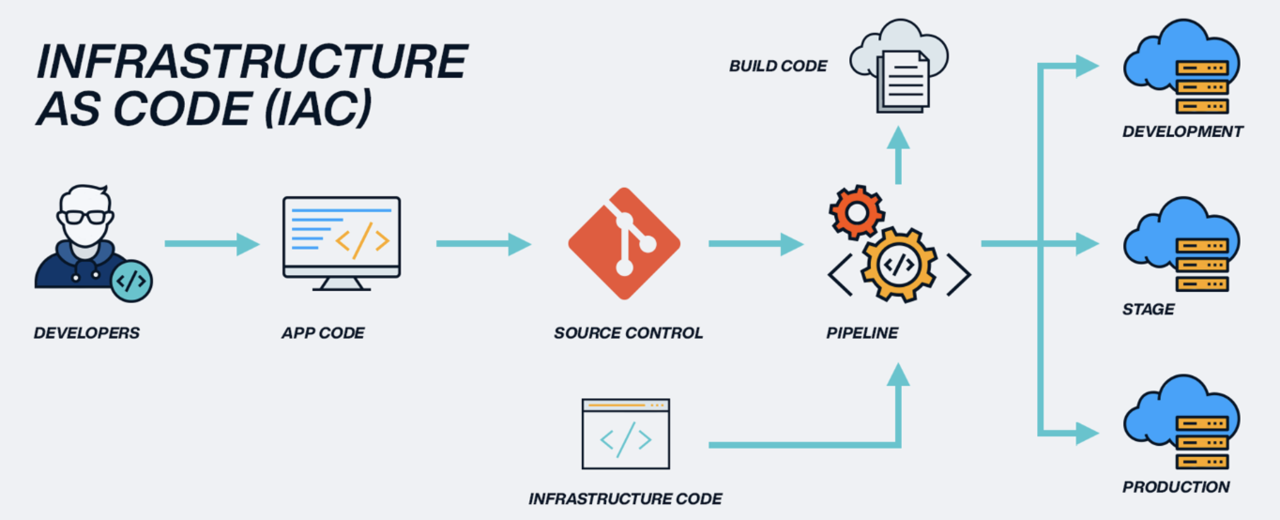
🛜 Infrastructure as Code (IaC): Modern infrastructure is managed through code, allowing teams to treat infrastructure configurations like software. This approach, known as Infrastructure as Code, enhances reproducibility, consistency, and collaboration across different environments.
🎆DevOps is important for accelerates time-to-market by fostering a continuous delivery pipeline, reducing manual interventions, and automating repetitive tasks.
🎆Conclusion: DevOps is more than just a set of practices or tools; it represents a cultural shift towards collaboration, automation, and continuous improvement. Understanding its history, embracing its cultural principles, and following its lifecycle can empower teams to deliver software faster, more reliably, and in alignment with business objectives.
🚨I hope this blog has helped you to know the concept of DevOps & how it is benefiting the organizations 🚀
Kindly support and follow for more updates ❤️
Happy Learning 😀:)
